
Socialization is one of the most important aspects of pet ownership that can significantly impact your pet's behavior and overall well-being. A well-socialized pet is more likely to be confident, friendly, and comfortable in various environments.
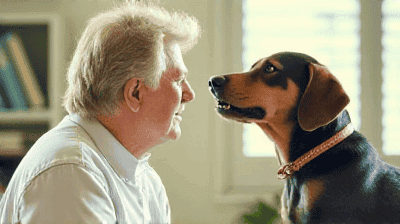
Socialization is one of the most important aspects of pet ownership that can significantly impact your pet's behavior and overall well-being. A well-socialized pet is more likely to be confident, friendly, and comfortable in various environments. Whether you are a new pet owner or have an experienced companion, understanding the principles of socialization and how to effectively implement them can help create a happier and healthier relationship with your furry friend.
Understanding the Importance of Socialization
What is Socialization?
Socialization refers to the process of exposing your pet to various environments, people, animals, sights, sounds, and experiences to help them develop appropriate behaviors and reactions. This process aids in building their confidence and reducing anxiety and fear.
Benefits of Socialization
The socialization of pets offers numerous benefits that can enhance their overall quality of life:
Enhanced Confidence: Regular exposure to different stimuli helps pets become more adaptable and confident in various settings.
Reduced Fear and Anxiety: Socialized pets are less likely to be fearful or anxious in new situations, reducing the likelihood of aggressive or destructive behaviors.
Better Behavior: Well-socialized pets are often better behaved and easier to manage. They are less prone to excessive barking, jumping, or other unruly behaviors.
Improved Health: A confident pet is more likely to engage in play and exercise, which contributes positively to their physical health.
Positive Interactions: Socialization fosters friendly interactions with other pets and people, making outings and gatherings more enjoyable for both the pet and the owner.
Easier Travel: Pets that are accustomed to various environments and experiences are typically more relaxed during trips, vet visits, or any other travel scenarios.
The Critical Periods for Socialization

Understanding the critical periods for socialization is essential for effective training:
1. Early Development (Birth to 12 Weeks)
The most significant socialization window for puppies occurs between birth and 12 weeks of age. During this time, they are more receptive to new experiences. It’s crucial to expose them to a variety of sights, sounds, and environments during this period.
2. Adolescence (3 to 6 Months)
As puppies enter adolescence, they may become more cautious or fearful of new experiences. Continued socialization during this time is important to reinforce positive behaviors and reduce the likelihood of fear-based reactions.
3. Adulthood (6 Months and Beyond)
Although the critical periods are typically earlier, adult pets can also benefit from socialization. It’s never too late to expose your dog or cat to new experiences and environments.
Step-by-Step Guide to Socialization
To effectively socialize your pet, follow these key steps:
Step 1: Prepare for Socialization
1. Create a Safe Environment
Before you begin socialization, ensure that your home and surroundings are safe for your pet. Remove any items that may pose a choking hazard, and create a comfortable space for them to explore.
2. Gather Supplies
Keep essential supplies on hand, including:
- Leash and collar (for dogs)
- Harness (if needed)
- Treats for positive reinforcement
- Clicker (if using clicker training)
- Poop bags (for dogs)
Step 2: Start with Basic Training
Before socializing, ensure that your pet has a basic understanding of commands such as "sit," "stay," and "come." This foundation will help manage and control your pet during socialization sessions.
Step 3: Introduce New Experiences Gradually
1. Socialize with People
Start introducing your pet to different people, such as friends, family, and neighbors. Here are some tips:
- Ask friends to approach slowly and calmly to avoid overwhelming your pet.
- Encourage gentle petting and interaction.
- Reward your pet with treats for positive interactions.
2. Socialize with Other Animals
Introduce your pet to other friendly animals in a controlled environment, such as a friend’s well-behaved dog. Follow these steps:
- Choose a neutral location to minimize territorial behavior.
- Allow the animals to approach each other slowly with plenty of supervision.
- Monitor body language and intervene if necessary.
3. Expose to Different Environments
Take your pet on outings to various environments, such as parks, pet-friendly stores, and busy streets. Here’s how to do it:
- Start in quieter areas and gradually increase exposure to more stimulating environments.
- Use positive reinforcement, praising your pet for calm behavior during outings.
- Remain calm yourself; pets can sense your emotions.
Step 4: Use Positive Reinforcement
Throughout the socialization process, use positive reinforcement to encourage good behavior. Here’s how:
- Reward your pet with treats, praise, or playtime for calm and friendly behaviors during socialization.
- Use a clicker to mark positive behaviors, facilitating quicker learning.
Step 5: Monitor Their Reactions
Always observe your pet’s body language during socialization. Signs of stress or fear include:
- Cowering or backing away
- Growling or barking excessively
- Tail tucked between the legs
- Showing teeth or stiff body language
If your pet exhibits signs of fear, it’s essential to back off from the situation and allow them to regroup. Gradually reintroduce the experience at a comfortable pace once they are calmed.
Step 6: Reinforce Experiences Continuously
Consistency in socialization is key. Regularly incorporate new experiences and interactions into your pet's routine. This ongoing exposure will help reinforce positive behaviors and reduce anxiety.
Step 7: Join Socialization Classes
Consider enrolling your pet in socialization classes or puppy training courses. These classes provide a structured environment with professional guidance and help expose your pet to other animals and people in a safe setting.
Socializing Specific Types of Pets

While this guide primarily focuses on dogs, it’s important to recognize that socialization applies to various pets. Here are some tips for socializing different types of animals:
Socializing Puppies
Puppies require special attention during their early developmental stages. Follow these specific recommendations:
- Introduce them to as many different people, places, and other animals as possible between 3 and 12 weeks.
- Encourage positive interactions with children, the elderly, and individuals wearing hats or sunglasses.
Socializing Adult Dogs
Older dogs can also benefit from new experiences. For adult dogs:
- Take it slow and avoid overwhelming them with too many new experiences at once.
- Respect their comfort level and allow them to take breaks when needed.
Socializing Cats
Although cats typically have different socialization needs than dogs, they can still benefit from exposure to new experiences:
- Gradually introduce them to different environments, people, and other pets.
- Provide vertical spaces and hiding spots to allow them to retreat and feel safe.
Socializing Small Animals (Rabbits, Guinea Pigs, etc.)
Small mammals also require socialization but often in a quieter, less stimulating environment. Consider the following tips:
- Spend quiet time with them, allowing them to become accustomed to your presence.
- Introduce them to gentle handling and positive human interactions.
Overcoming Common Socialization Challenges
Socializing your pet can come with various challenges. Here’s how to address some common issues:
1. Fearful Behavior
If your pet exhibits fearful or anxious behavior during socialization, consider the following strategies:
- Take a step back and reduce the intensity of the experience. Try introducing them to less stimulating environments or allowing them to observe from a distance before gradually moving closer.
- Use calming aids, such as pheromone diffusers or anxiety wraps, to help reduce their stress levels.
2. Aggressive Behavior
If your pet displays aggression, it may be essential to consult a professional trainer or behaviorist. Here are a few immediate strategies:
- Avoid forcing your pet into uncomfortable situations that provoke aggression.
- Use management tools, such as muzzles, when necessary for safety during introductions.
3. Injuries or Illness
If your pet is recovering from an injury or illness, focus on low-key socialization experiences that do not overstress them. Adapt the activities based on their physical condition.
4. Lack of Interest
If your pet lacks interest in socialization, try these strategies:
- Use higher-value treats or favorite toys to engage their attention.
- Involve a friend or family member that your pet is excited about to help spark interest.
The Role of Routine in Socialization

Building a routine around socialization can create stability for your pet. Consider establishing a structured schedule to include:
- Daily walks around different neighborhoods.
- Regular visits to parks or pet-friendly locations.
- Designated playdates with known friendly pets.
Conclusion
Socializing your pet is a vital aspect of responsible pet ownership that leads to a happier, healthier, and more confident companion. By understanding the principles of socialization, implementing consistent strategies, and celebrating small victories, you are creating a well-rounded pet that is equipped to handle various situations and interactions.
Always remember that socialization is a lifelong journey that requires patience, positive reinforcement, and adaptability. Take the time to invest in your pet's socialization skills, and you will reap the rewards of a well-adjusted, confident, and friendly companion.